Table of Contents
- Why Do People Over 45 Wake Up at 3AM?
- Is Waking Up at 3AM Every Night Normal?
- Common Causes of 3AM Wake-Ups After Age 45
- 9 Natural Ways to Stop Waking Up at 3AM
- Foods That May Support Better Sleep
- Bedtime Habits That Can Make a Difference
- When Should You See a Doctor?
- Can Natural Sleep Supplements Help?
- Frequently Asked Questions
- Final Thoughts
Why Do I Keep Waking Up at 3AM After Age 45?
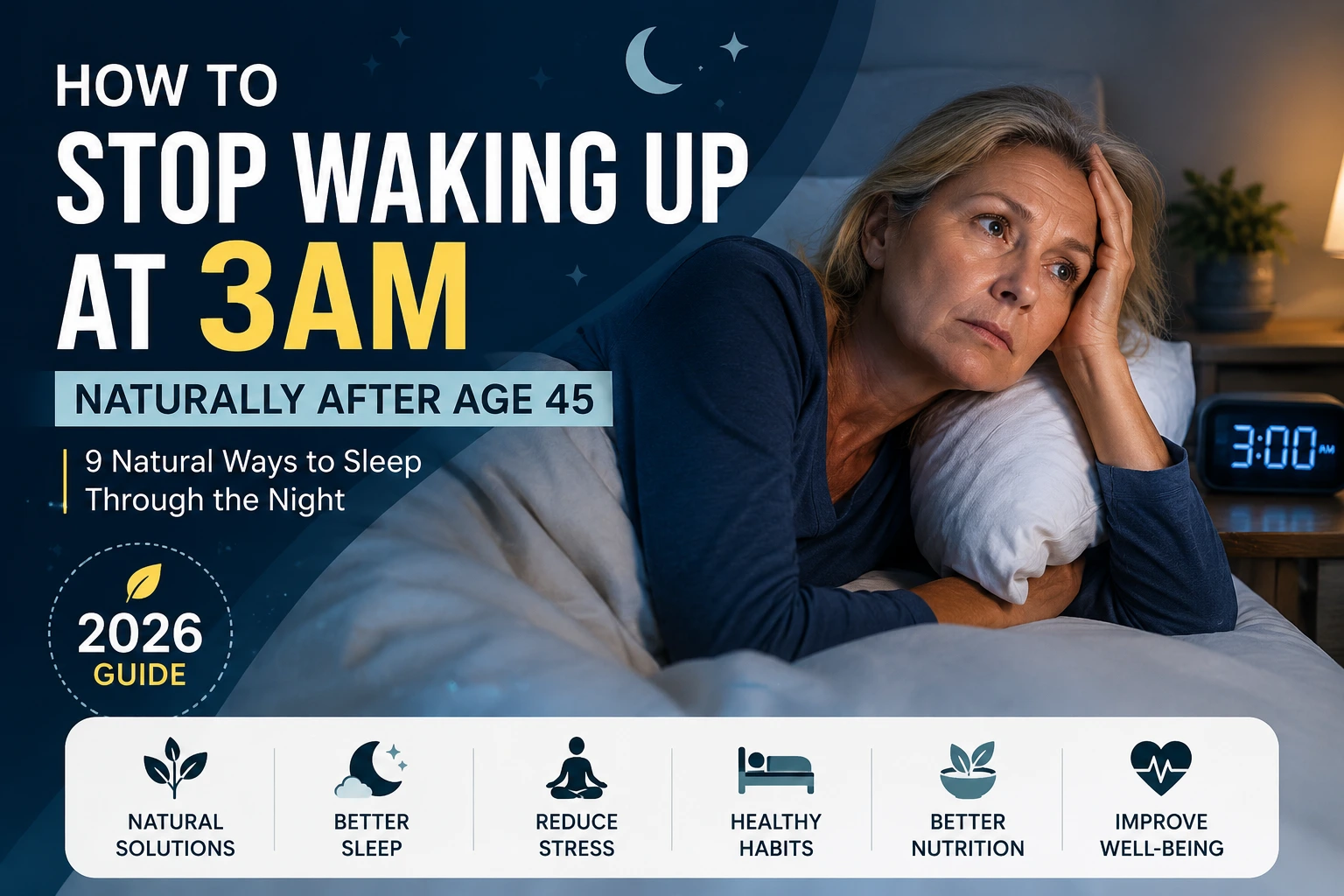
If you’ve reached your mid-40s or beyond and find yourself waking up around 3AM almost every night, you’re certainly not alone. Many adults notice that their sleep becomes lighter with age, making it easier to wake up during the night—even if they had no sleep problems in their younger years.
For some people, it’s a brief awakening followed by falling asleep again within minutes. For others, it turns into an hour of tossing and turning while the mind races with thoughts about work, family, or tomorrow’s responsibilities.
The good news is that waking up at 3AM doesn’t automatically mean you have insomnia. In many cases, it can be linked to natural age-related changes, lifestyle habits, stress, or other factors that influence your sleep cycle.
In this guide, you’ll learn:
- Why adults over 45 often wake up around 3AM
- The most common causes behind nighttime awakenings
- 9 natural ways to improve your sleep
- Foods and bedtime habits that may support healthier sleep
- When it’s time to seek professional medical advice
By the end of this article, you’ll have practical strategies that may help you sleep more comfortably through the night and wake up feeling refreshed.
Why Do People Over 45 Wake Up at 3AM?
As we get older, our sleep patterns naturally change. Even people who have always slept well may notice that they begin waking up more frequently during the night.
Several age-related factors can contribute to these changes.
1. Your Sleep Becomes Lighter
One of the biggest changes after age 45 is a gradual reduction in deep sleep.
Instead of spending long periods in restorative sleep, your body may move into lighter sleep stages more often. During these lighter stages, even small disturbances can wake you up.
These disturbances may include:
- Outside noises
- Changes in room temperature
- Stress
- Bathroom trips
- Physical discomfort
2. Changes in Your Internal Body Clock
Your body follows a natural 24-hour cycle known as the circadian rhythm. This internal clock helps regulate:
- Sleep
- Energy levels
- Hormone production
- Body temperature
As people age, this rhythm can shift slightly. Some adults become sleepy earlier in the evening and naturally wake earlier in the morning.
For others, these changes may increase the chances of waking during the middle of the night.
3. Hormonal Changes
Hormones play an important role in healthy sleep.
During midlife, natural hormonal changes may influence sleep quality.
Examples include:
- Menopause and perimenopause
- Changes in testosterone levels
- Reduced melatonin production
- Increased nighttime cortisol levels
These changes don’t affect everyone the same way, but they can make uninterrupted sleep more difficult.
4. Increased Sensitivity to Stress
Many adults over 45 are balancing demanding careers, family responsibilities, financial concerns, or caregiving responsibilities.
Even when you don’t feel stressed during the day, your nervous system may remain more active at night.
This can make it easier to wake during the early morning hours and harder to fall back asleep.
Is Waking Up at 3AM Every Night Normal?
Short Answer: Yes… sometimes.
Occasionally waking up during the night is considered normal.
However, the frequency and impact on your daily life matter.
Usually Normal
✅ Waking up once in a while
✅ Falling asleep again within 10–20 minutes
✅ Feeling rested the next morning
Worth Paying Attention To
⚠️ Waking up at almost the same time every night
⚠️ Staying awake for long periods
⚠️ Feeling exhausted during the day
⚠️ Poor concentration or low energy
⚠️ Sleep problems lasting several weeks
If nighttime awakenings become frequent and begin affecting your quality of life, it’s worth identifying possible causes rather than simply accepting them as part of aging.
Common Causes of 3AM Wake-Ups After Age 45
Understanding the underlying cause is the first step toward improving your sleep.
Here are some of the most common reasons adults wake up during the early morning hours.
Hormonal Changes
Natural hormonal shifts can influence both the quality and duration of sleep.
These changes may affect:
- Body temperature
- Mood
- Relaxation
- Sleep continuity
For many adults, these changes become more noticeable after age 45.
Stress and Elevated Cortisol
Stress doesn’t always prevent you from falling asleep.
Instead, it may cause your body to become more alert during the night.
When stress hormones remain elevated, some people find themselves waking around 2–4AM with racing thoughts or difficulty relaxing again.
Blood Sugar Fluctuations
Eating large amounts of sugar or refined carbohydrates late in the evening may contribute to nighttime awakenings in some individuals.
Maintaining balanced eating habits throughout the day may help support more stable overnight energy levels.
Frequent Bathroom Visits
As people age, nighttime urination becomes more common.
Possible reasons include:
- Drinking too much before bed
- Certain medications
- Age-related bladder changes
- Medical conditions that should be discussed with a healthcare provider
Medications
Some prescription medications may affect sleep quality.
Examples include certain:
- Blood pressure medications
- Steroids
- Stimulants
- Antidepressants
If you suspect medication may be affecting your sleep, consult your healthcare provider before making any changes.
Poor Sleep Habits
Sometimes the biggest cause isn’t age—it’s routine.
Common habits that may interfere with healthy sleep include:
- Irregular bedtime schedules
- Late-night screen use
- Drinking caffeine late in the day
- Heavy evening meals
- Sleeping in on weekends
Even small improvements in your bedtime routine can make a noticeable difference over time.
9 Natural Ways to Stop Waking Up at 3AM After Age 45
If you’re waking up at 3AM regularly, the goal isn’t just to fall asleep faster—it’s to help your body stay asleep throughout the night. The good news is that small, consistent changes to your daily routine can make a meaningful difference over time.
Here are nine natural strategies worth trying.
1. Stick to a Consistent Sleep Schedule
Your body thrives on routine. Going to bed and waking up at different times every day can confuse your internal body clock, making nighttime awakenings more likely.
Try these simple habits:
- Go to bed at the same time every night.
- Wake up at a consistent time—even on weekends.
- Aim for 7–9 hours of sleep if possible.
Tip: Consistency is often more important than sleeping early one night and late the next.
2. Avoid Caffeine After 2 PM
Many people don’t realize that caffeine can stay in the body for several hours. Even if you fall asleep easily, caffeine may increase the chances of waking during the night.
Common hidden sources of caffeine:
- Coffee
- Black tea
- Green tea
- Energy drinks
- Cola
- Dark chocolate
If you enjoy coffee, try keeping it to the morning or early afternoon.
3. Eat a Light Dinner
Heavy meals close to bedtime can make it harder for your body to relax.
Large meals may contribute to:
- Indigestion
- Acid reflux
- Increased body temperature
- Interrupted sleep
A better approach:
✔️ Eat dinner 2–3 hours before bedtime.
✔️ Choose balanced meals with protein, vegetables, and healthy fats.
✔️ Avoid excessive sugar late at night.
4. Reduce Screen Time Before Bed
Phones, tablets, and televisions emit blue light, which can interfere with your body’s natural sleep signals.
Instead of scrolling through social media, try replacing screen time with relaxing activities.
Better bedtime alternatives:
- Read a book
- Listen to calming music
- Gentle stretching
- Meditation
- Deep breathing exercises
Even 30–60 minutes without screens before bed may help improve sleep quality.
5. Keep Your Bedroom Cool, Dark, and Quiet
Your sleeping environment plays a bigger role than many people realize.
A comfortable bedroom helps your body recognize that it’s time to rest.
Ideal sleep environment:
- Cool room temperature
- Comfortable mattress and pillow
- Minimal light
- Reduced noise
- Good airflow
Small adjustments can sometimes make a noticeable difference.
6. Manage Stress Before Bed
Many adults over 45 carry stress from work, finances, or family responsibilities into the evening.
Even when you feel physically tired, your mind may still be active.
Relaxation techniques worth trying:
- Journaling for five minutes
- Guided meditation
- Gentle yoga
- Slow breathing exercises
- Listening to calming sounds
Building a relaxing bedtime routine can help signal to your brain that it’s time to wind down.
7. Get More Morning Sunlight
Morning sunlight helps regulate your body’s circadian rhythm.
Just 15–30 minutes of natural sunlight shortly after waking can help reinforce a healthy sleep-wake cycle.
Simple ideas include:
- Morning walk
- Gardening
- Drinking coffee outside
- Sitting near a sunny window
This habit may improve nighttime sleep over time.
8. Support Your Sleep With the Right Nutrients
Nutrition also plays a role in healthy sleep.
Some nutrients are commonly included in sleep-support routines because they are associated with relaxation and normal nervous system function.
Examples include:
- Magnesium
- L-Theanine
- Chamomile
- Lemon Balm
- Passionflower
These ingredients are often found in natural sleep-support supplements, although individual responses can vary. They work best alongside healthy sleep habits rather than replacing them.
9. Be Patient and Stay Consistent
One of the biggest mistakes people make is expecting overnight results.
Healthy sleep habits usually take time to produce noticeable improvements.
Give yourself time to adjust.
Focus on:
✔️ Consistent bedtime
✔️ Better nutrition
✔️ Daily movement
✔️ Stress management
✔️ Healthy sleep environment
Small improvements practiced consistently often produce better long-term results than dramatic changes that are difficult to maintain.
Quick Action Checklist
Before moving on, ask yourself:
- ☐ Do I drink coffee late in the day?
- ☐ Is my bedtime consistent?
- ☐ Do I use my phone right before bed?
- ☐ Is my bedroom cool and dark?
- ☐ Am I managing daily stress?
- ☐ Do I get morning sunlight regularly?
- ☐ Am I eating heavy meals before bedtime?
If you answered “No” to several of these questions, those areas may be good places to start.
Foods That May Support Better Sleep
While no single food can guarantee a full night’s sleep, certain nutrient-rich foods are commonly associated with relaxation and healthy sleep patterns. Including these as part of a balanced diet may help support your overall sleep routine.
| Food | Why It May Help |
|---|---|
| 🥝 Kiwi | May support overall sleep quality |
| 🌰 Almonds | Naturally contain magnesium |
| 🍒 Tart Cherry | Contains naturally occurring melatonin |
| 🌼 Chamomile Tea | Traditionally used to promote relaxation |
| 🎃 Pumpkin Seeds | Good source of magnesium |
| 🥛 Warm Milk | Contains protein and is part of many bedtime routines |
Simple Evening Snack Ideas
✔️ Kiwi with Greek yogurt
✔️ Handful of almonds
✔️ Chamomile tea
✔️ Banana with peanut butter
✔️ Warm milk before bed
Tip: Try to finish eating at least 2–3 hours before bedtime whenever possible.
Bedtime Habits That Can Make a Difference
Sometimes it’s not one big change that improves sleep—it’s several small habits repeated consistently.
Healthy Bedtime Checklist
✅ Go to bed at the same time every night
✅ Wake up at a consistent time
✅ Keep your bedroom cool and dark
✅ Avoid scrolling on your phone before bed
✅ Reduce bright lights in the evening
✅ Avoid caffeine after lunch
✅ Eat dinner earlier
✅ Practice deep breathing or meditation
✅ Limit alcohol before bedtime
✅ Get morning sunlight daily
Even adopting just two or three of these habits may help improve your overall sleep quality over time.
When Should You See a Doctor?
Occasional nighttime awakenings are common, especially as we get older. However, persistent sleep problems shouldn’t be ignored.
You should consider speaking with a healthcare professional if you experience:
🚩 Loud snoring or gasping during sleep
🚩 Difficulty sleeping for several weeks
🚩 Excessive daytime fatigue
🚩 Chest pain or breathing difficulties
🚩 Anxiety or depression affecting sleep
🚩 Suspected sleep apnea
🚩 Restless legs or unusual nighttime movements
A healthcare provider can help identify underlying causes and recommend the most appropriate treatment.
Can Natural Sleep Supplements Help?
For some people, improving bedtime habits alone is enough to reduce nighttime awakenings. Others may choose to explore natural sleep-support supplements as part of a broader wellness routine.
Many sleep-support formulas include ingredients such as:
- Magnesium
- L-Theanine
- Lemon Balm
- Chamomile
- Passionflower
- Valerian Root
These ingredients are commonly selected to support relaxation and healthy sleep habits. However, supplements are most effective when combined with consistent lifestyle improvements, not as a replacement for them.
If you’re researching natural sleep supplements, understanding the ingredient profile and intended purpose is important before making a decision.
👉 Looking for a detailed ingredient breakdown?
Read our complete: Yu Sleep Review 2026
Frequently Asked Questions
Why do I keep waking up at exactly 3AM?
It may be related to changes in your sleep cycle, stress, lifestyle habits, or age-related changes in sleep quality. Occasional awakenings are common, but frequent disruptions may deserve closer attention.
Is waking up at 3AM a sign of insomnia?
Not necessarily. Insomnia usually involves ongoing difficulty falling asleep, staying asleep, or waking too early while also experiencing daytime impairment.
Can dehydration cause nighttime wake-ups?
Yes. In some cases, dehydration or drinking excessive fluids close to bedtime may contribute to disrupted sleep.
Does menopause affect sleep?
Yes. Hormonal changes during menopause and perimenopause can influence sleep quality and increase nighttime awakenings for some women.
Can magnesium help with sleep?
Magnesium supports normal muscle and nerve function and is commonly included in many bedtime wellness routines. Individual responses vary.
Should I eat before bed?
A light snack may be suitable for some people, but large or heavy meals close to bedtime may interfere with sleep.
How many hours of sleep do adults over 45 need?
Most adults benefit from approximately 7–9 hours of quality sleep each night, although individual needs can vary.
When should I worry about waking up every night?
If the problem continues for several weeks, affects your daily life, or is accompanied by symptoms such as loud snoring or breathing problems, it’s best to consult a healthcare professional.
Final Thoughts
Waking up at 3AM after age 45 can be frustrating, but it doesn’t always mean something is seriously wrong. In many cases, small lifestyle adjustments—such as improving your bedtime routine, reducing caffeine, managing stress, and creating a healthier sleep environment—can make a meaningful difference over time.
Remember that better sleep is often the result of consistent daily habits rather than a single overnight solution. If you’ve tried improving your routine and continue experiencing frequent nighttime awakenings, it may be worth speaking with a healthcare professional to explore possible underlying causes.
For readers interested in learning more about natural sleep-support formulas, we’ve also published an in-depth review that explores ingredients, benefits, and how one popular supplement is designed to support a healthier bedtime routine.
👉 Read Our Complete Yu Sleep Review
EthanReview Practical Takeaways
Before you go, remember these five simple habits:
✔️ Keep a consistent bedtime and wake-up schedule.
✔️ Avoid caffeine after lunchtime.
✔️ Create a cool, dark, and quiet sleeping environment.
✔️ Limit screen time before bed.
✔️ If sleep problems continue for several weeks, seek advice from a qualified healthcare professional.
Leave a Reply